Guide to Discovering Excellent Vintage Apparel: Leading Retailers and Internet Sources
Finding the best vintage clothing demands a strategic approach. Independent shops often display curated selections from different time periods, providing a unique shopping experience. Meanwhile, digital marketplaces provide access to a vast array of antique pieces. Every option has its advantages and challenges. Understanding these choices can improve the quest for distinctive pieces. What elements should one think about when investigating these diverse sources?
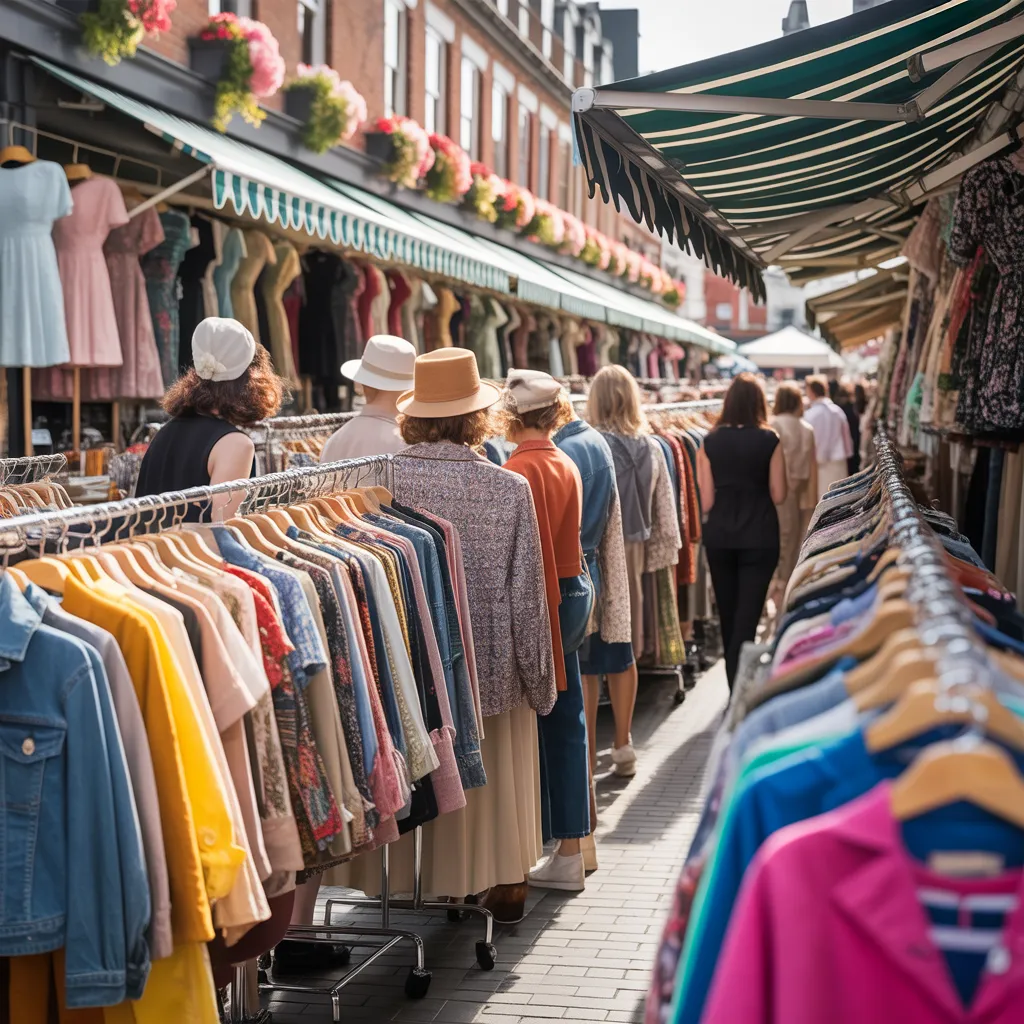
Grasp Vintage Dimensions and Labels
How does one navigate the often perplexing world of vintage sizes and labels? Understanding vintage sizes is important for anyone engaged with vintage clothing. Unlike modern sizing, which has become standardized, vintage sizes can change considerably based on the era, brand, and even the country of origin. For instance, a size 8 from the 1970s may be different from a contemporary size 8.
Labels represent an essential aspect; they normally indicate the decade and can reveal information about production techniques and textile selections. Familiarity with typical labels helps validate authenticity and quality, as various brands are renowned for their craftsmanship.
Accurately measuring clothing is crucial, as depending only on the size tag can lead to disappointment. Buyers should compare their own garments against dimensions. By grasping these subtleties, vintage fans can make well-informed choices, enhancing their shopping experience.
Review Vintage Clothing Quality
Examining the standard of vintage clothing is critical for making judicious purchases. Primary factors to consider include inspecting fabric composition, spotting for any damage, and assessing the excellence of stitching. Each of these elements plays a key role in determining the persistence and value of vintage garments.
Assess Fabric Content
Analyzing the fabric composition of vintage clothing is vital for assessing its caliber and lifespan. Natural materials including cotton, wool, silk, and linen generally suggest improved durability and comfort in comparison to synthetic fabrics. Vintage pieces composed of these fibers commonly maintain their structure and visual appeal over time. Moreover, knowing the fabric blend offers clues about the garment's purpose and maintenance needs. To illustrate, a cotton-linen mixture may increase airflow, and a combination of wool and acrylic can add warmth. While assessing a garment, it is vital to verify labels or tags that disclose fabric specifics. Such knowledge enables buyers to make educated decisions, guaranteeing their vintage purchases are both fashionable and durable investments.
Examine for deterioration
Assessing retro garments for flaws is important to understanding their general quality. Buyers must closely inspect garments for any evidence of aging, such as holes, stains, or fading. Attention should be given to areas likely to wear out, such as seams, hems, and underarm sections, where fabric may deteriorate with age. Also, verifying the presence of buttons and zippers can signal the garment’s usability. Assessing the lining and any embellishments is equally important since they influence both functionality and examine this material visual attractiveness. Spotting potential problems in advance helps buyers make knowledgeable choices to ensure their vintage items satisfy both style criteria and durability for regular wear.
Assess Seam Quality
While it might be easy to overlook, the stitching quality in vintage clothing serves an essential role in determining the garment's lifespan and overall appeal. A careful inspection of the stitching can expose the craftsmanship behind the piece. Well-made seams, tight and even stitches, signal durability and attention to detail. In contrast, loose threads or uneven stitching may suggest wear or poor construction, potentially putting the garment's integrity at risk. Paying attention to areas prone to stress, such as armholes and hems, is very important. Moreover, vintage items often display unique stitching techniques that mirror their era, adding character. Ultimately, assessing stitching quality not only informs buyers about a garment’s state but also increases their appreciation for vintage fashion’s artistry.
Search for Retro Apparel at Community Boutiques
Where can one find unique vintage clothing treasures? Local boutiques often function as secret treasures for vintage lovers. These shops curate distinctive selections, carefully handpicking items that reflect different time periods and fashion trends. Walking through the aisles, shoppers can discover everything from traditional 1950s gowns to 1980s statement jackets, each piece sharing its own story.
Several local boutiques stress sustainability, sourcing their inventory from estate sales, thrift stores, and donations. This not merely promotes eco-friendly practices but also guarantees that each garment is singular. Additionally, business proprietors are often enamored with fashion history and can provide instructive perspective, enhancing the retail experience.
Supporting local shops also builds community relationships, allowing customers to engage with shop owners and fellow vintage lovers. This personal touch often converts the shopping experience into an adventure, making each visit to a local boutique a delightful exploration of fashion's past.
Top Internet Vintage Shops
In the arena of online shopping, vintage enthusiasts have at their disposal a rich variety of alternatives. Best online marketplaces and expertly curated vintage emporiums offer unique selections that cater to diverse tastes and styles. This section will highlight some of the standout platforms for uncovering antique keepsakes.
Premier Web E-Commerce Sites
The charm of vintage clothing has resulted in a surge in online marketplaces dedicated to unique, timeless pieces. Platforms like Etsy and eBay remain popular choices, offering a vast array of vintage items from various eras. Depop, with its easy-to-use interface and social media integration, caters to a younger demographic seeking curated styles. copyright allows users to sell their vintage finds while connecting with fashion enthusiasts. Additionally, ThredUp focuses on secondhand clothing, including vintage selections, promoting sustainability. These marketplaces not only provide access to distinctive fashion but also build a community of like-minded individuals devoted to vintage treasures. By browsing these platforms, shoppers can discover rare pieces that reflect their personal style and history.
Deliberately Selected Vintage Boutiques
For people who admire the charm of expertly curated vintage boutiques, the web offers a cornucopia of notable discoveries. These focused establishments emphasize carefully picked items, ensuring excellence and authenticity. Companies including Vintage Vixen and ModCloth appeal to a extensive array of leanings, from 1920s flapper dresses to 1980s pop culture pieces. Every boutique frequently displays an individual flair, facilitating consumers to find pieces that harmonize with their singular style. Additionally, websites such as Etsy and Depop house independent retailers who build their stocks, contributing to the plurality of options. By acquiring from these expertly curated boutiques, vintage aficionados can discover memorable pieces that narrate stories and better their wardrobe.
Expert Strategies for Secondhand Shopping
Becoming proficient in the art of thrifting can transform a casual outing into a hunt for valuable finds. To enhance the adventure, buyers should initially establish their style preferences, focusing on specific eras or types of clothing that appeal with them. Researching local shops and digital platforms helps identify the best resources and potential hidden gems.
When shopping, it is crucial to inspect items thoroughly for condition and genuineness. Shoppers should focus on material content, stitching, and tags, as these can provide insights into the item's history. Haggling can also be an key part of the experience; many vintage sellers are open to offers.
Timing functions as a vital factor as well. Browsing boutiques during stock replenishment times or sales can uncover novel treasures. Finally, maintaining an flexible perspective allows for surprising discoveries, transforming each retail outing into an adventure brimming with one-of-a-kind apparel possibilities.
Learn About Advantages of Sustainable Vintage Fashion
While many shoppers look for unique style, the positive effects of eco-friendly vintage wear surpass aesthetic appeal. This fashion strategy advocates green ethics by decreasing waste and lowering the ecological footprint linked to new garment production. Vintage clothes often feature superior workmanship, ensuring endurance and long life, which differs greatly from the fast fashion industry’s focus on throwaway apparel.
Additionally, acquiring vintage pieces contributes to a circular economy, preserving materials and reducing the demand for new materials. Buyers who choose vintage clothing also support local businesses and thrift stores, building community connection and economic stability. Ultimately, vintage fashion encourages individuality, allowing wearers to display personal style without adhering to mainstream trends. By championing sustainable vintage fashion, shoppers not only enhance their wardrobes but also participate in a movement that values ethics and creativity over mere consumption.
Frequently Asked Questions
What's the Best Way to Spot Real Antique Clothing Compared to Replicas?
To recognize genuine vintage garments, one should inspect labels, thread work, and textile grade. Original pieces often display evidence of aging, such as fading or wear, while replicas typically fail to have these distinct elements and specifics.
What Are the Best Cities for Retro Apparel Shopping?
Cities like New York, Los Angeles, and London are celebrated for vintage clothing shopping. Each has unique boutiques, thrift stores, and markets, captivating aficionados seeking authentic pieces and diverse styles from different eras.
How Can I Properly Maintain Vintage Garments?
To properly care for antique clothing, one should gently hand wash or dry clean them, place them in a cold, dry environment, steer clear of direct sunlight, and use archival tissue for preservation. Regular check-ups are vital.
What features must I consider when choosing Vintage Pieces?
When selecting antique items, one should prioritize quality, condition, and craftsmanship. Additionally, considering unique design elements and materials can enhance the visual appeal, guaranteeing the items match contemporary outfits while expressing personal style.
Are there specific vintage trends worth observing this year?
This year, key vintage trends to observe feature 90s grunge styles, oversized silhouettes, and bold prints. Additionally, eco-conscious fashion movements are driving interest in upcycled vintage items, reflecting a increasing fondness for distinctive, sustainable clothing.